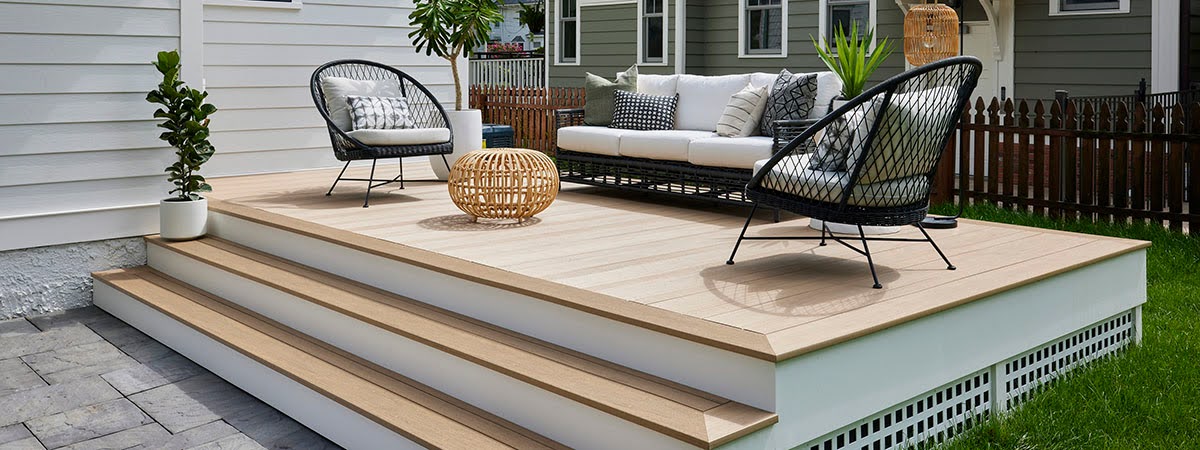
As the crisp air of late fall sets in, homeowners and contractors alike start thinking about protecting exterior structures from the challenges of winter. Decks, in particular, face increased exposure to moisture, falling leaves, and fluctuating temperatures during this season. For builders and contractors, choosing the right decking material is crucial to ensure long-term performance, reduce maintenance, and keep clients satisfied.
At Evolution Supply, we provide top-quality decking solutions backed by industry-leading manufacturers, including Trex, TimberTech, and AZEK. These partnerships allow us to offer products that combine durability, aesthetic appeal, and performance—perfect for residential and commercial projects alike. In this blog, we’ll review the most common decking materials—wood, composite, and PVC—and examine their durability, maintenance needs, and suitability for late-fall conditions.
Why Fall is a Critical Time for Decking Considerations in Illinois
Late fall brings unique challenges for exterior decks. Cooler temperatures and increased moisture from rain or early snow can accelerate wear and tear on decking materials. Contractors need to consider the following seasonal factors when recommending materials or planning installations:
- Moisture and Freeze-Thaw Cycles: Wood decks can absorb water, leading to warping, cracking, or rot as temperatures drop and water freezes.
- Debris Accumulation: Falling leaves and pine needles can trap moisture and promote staining or mold growth.
- Reduced Sunlight: Cooler months mean less natural sunlight to naturally dry and sanitize decking surfaces.
By taking these factors into account, contractors can help clients choose decking that maintains its appearance and performance throughout the season.
Wood Decking: Classic Beauty with Seasonal Considerations
Wood has long been the traditional choice for decks thanks to its natural appearance and strength. Popular species include pressure-treated pine, cedar, and redwood.
Pros of Wood Decking:
- Aesthetic Appeal: Natural grain and warmth appeal to homeowners seeking classic looks.
- Structural Strength: Solid wood is durable and can handle heavy loads when properly maintained.
- Customizability: Wood can be stained or painted to match a home’s exterior style.
Challenges for Fall Durability:
- Moisture Sensitivity: Water absorption can lead to rot, swelling, or warping during late fall rains or early snow.
- Maintenance Needs: Wood decks require regular sealing, staining, and cleaning to maintain durability.
- Insect Vulnerability: Certain species may be prone to termite or carpenter ant damage if not treated.
Best Practices for Contractors:
- Seal wood decks before heavy fall rains begin to minimize water absorption.
- Inspect boards for early signs of splitting or rot and replace damaged sections promptly.
- Educate homeowners about leaf removal and debris management to prevent prolonged moisture exposure.
While wood decking offers timeless beauty, late-fall conditions highlight the importance of careful selection, treatment, and maintenance.
Composite Decking: Balanced Performance and Low Maintenance
Composite decking combines natural wood fibers with recycled plastic, offering a blend of appearance and durability. Brands like Trex and TimberTech have pioneered composite decking solutions designed to withstand harsh weather while minimizing upkeep.
Pros of Composite Decking:
- Weather Resistance: Less prone to warping, splitting, or rotting compared to traditional wood.
- Low Maintenance: Requires minimal staining or sealing; occasional cleaning is typically sufficient.
- Fade and Stain Resistance: Engineered surfaces maintain color and finish longer, even during rainy fall months.
Challenges for Fall Durability:
- Surface Debris: Leaves and pine needles can still accumulate and may require regular sweeping.
- Expansion and Contraction: Some composites may expand or contract slightly with temperature changes, though high-quality brands are engineered to minimize this.
Best Practices for Contractors:
- Recommend composite boards with high-density caps for enhanced moisture and stain resistance.
- Install proper ventilation under the deck to prevent water pooling and allow airflow.
- Inspect fasteners and hardware, particularly before the onset of cold weather, to ensure boards remain secure.
Composite decking provides a middle ground for contractors: the warmth of wood with significantly less maintenance, making it an ideal choice for fall and winter resilience.
PVC Decking: Maximum Durability and Weather Resistance in Illinois
PVC decking, such as offerings from AZEK, is made entirely from synthetic materials and is designed for the ultimate in low-maintenance performance. For late fall projects, PVC decks provide unmatched resistance to moisture, frost, and seasonal wear.
Pros of PVC Decking:
- Superior Moisture Resistance: PVC does not absorb water, preventing warping, cracking, or rot.
- Low Maintenance: No staining or sealing is needed, and cleaning is as simple as rinsing with water.
- Long-Term Durability: Highly resistant to fading, staining, and insect damage.
Challenges for Fall Durability:
- Surface Heat Retention: PVC may feel warmer under direct sunlight during sunny fall afternoons, though this is typically minor in cooler months.
- Cost: Higher upfront cost compared to wood or composite, though long-term savings often offset this.
Best Practices for Contractors:
- Ensure proper substructure support and spacing to accommodate PVC’s flexibility.
- Use manufacturer-recommended fasteners and accessories for long-term stability.
- Advise homeowners on routine debris removal to prevent any surface staining or mold buildup.
For contractors handling late-fall projects, PVC decks are a reliable choice that withstands seasonal moisture and temperature fluctuations with minimal ongoing maintenance.
Comparing Materials for Late-Fall Projects in Illinois
Here’s a simple comparison of decking materials that’s easy to copy and reference:
Material: Wood
Moisture Resistance: Moderate
Maintenance: High
Appearance: High
Cost: Moderate
Material: Composite
Moisture Resistance: High
Maintenance: Low
Appearance: High
Cost: Moderate-High
Material: PVC
Moisture Resistance: Very High
Maintenance: Very Low
Appearance: Moderate-High
Cost: High
Key Takeaways for Contractors:
- Wood provides classic aesthetics but requires careful maintenance, especially in wet or frosty conditions.
- Composite boards offer a balance of low maintenance and weather resistance, ideal for contractors managing multiple projects in late fall.
- PVC delivers maximum durability and minimal upkeep, making it a long-term solution for homeowners concerned about seasonal exposure.
By understanding the pros, cons, and seasonal performance of each material, contractors can make informed recommendations that save time, reduce callbacks, and increase client satisfaction.
Final Thoughts: Durable Decking Solutions for Fall Projects in Illinois
Late fall is a critical time for contractors to consider decking durability, moisture resistance, and maintenance requirements. Wood, composite, and PVC each have distinct advantages and challenges, but with careful selection and installation, any of these materials can provide long-lasting performance.
With Evolution Supply and our trusted partnerships with Trex, TimberTech, and AZEK, contractors gain access to premium decking materials engineered to withstand seasonal challenges. When planning your next deck project this October, make sure to select the right materials to protect your investment and ensure client satisfaction. Learn more about our decking, railings, and exterior structures services at https://esbuildingmaterials.com/services/decking-railings-exterior-structures.
FAQ: Decking Materials for Fall Durability
Q: Which decking material is best for late-fall projects?
A: PVC offers maximum moisture resistance, composite provides low maintenance with strong durability, and wood is best when properly sealed and maintained.
Q: How often should decks be inspected in fall?
A: Contractors should inspect decks at least once during late fall to check for loose boards, moisture damage, and debris accumulation.
Q: Are composite and PVC decks more expensive than wood?
A: Yes, upfront costs are higher, but lower maintenance and longer lifespan often make them more cost-effective in the long run.
Q: How can contractors prevent winter damage to wood decks?
A: Proper sealing, cleaning debris, and inspecting for early signs of rot or warping are essential steps to protect wood decks before winter.