October 2026 (Chicago, IL)
Imagine a scenario where a framing crew is racing to finish up a multi-unit deck package ahead of schedule before a cold snap hits. They’re a few sill plates short, so someone grabs some standard kiln dried lumber from the framing pile instead of going back to the treated lumber stack. Eighteen months later the property manager is calling about soft spots along the deck ledger and the builder is picking up the warranty repair for a defect that a $12 board could have prevented.
This scenario plays out more often than most builders would care to admit and it is rarely due to negligence. Usually it is because there is no clear course of action as to when the required lumber needs to be pressure treated versus when standard framing lumber is sufficient. Make the wrong call either way and you run the risk of either inviting a rot claim or spending unnecessary money on treated lumber.
Here’s a straightforward breakdown you can actually use at the framing table.
What Makes “Treated” Lumber Different
Pressure-treated lumber has been processed to resist rot, fungal decay, and insects that bore into wood. This lumber has been treated with preservatives under pressure to force the chemicals into the fibers of the wood. The preservatives used are usually alkaline copper quaternary (ACQ), micronized copper azole (MCA), or borate chemicals. All of these treatments make it possible for the treated lumber to stand in direct contact with the ground or moisture for extended periods of time without being subject to rot, fungal decay, or insects.
Understanding AWPA Use Categories
The American Wood Protection Association (AWPA) sets standardized “Use Categories” that tell you how much protection a given piece of treated lumber actually offers. It’s worth knowing these at a glance:
- UC2 – Interior, dry applications
- UC3 – Exterior, above-ground use (like deck boards and rails)
- UC4 – Ground contact (posts, footings, sleepers)
- UC5 – Marine or saltwater exposure
Using a UC3 rated board for a UC4 application (using an above ground post in a below ground footing) is one of the most common (and costly) mistakes made on residential and multi-unit projects. Reading the fine print has become critical and can mean the difference between a deck that lasts 30 years and one that requires extensive structural repairs after only 5 years.
Where Framing & Structural Materials Need Treatment
Framing & Structural Materials: Sills, Ledgers, and Ground Contact
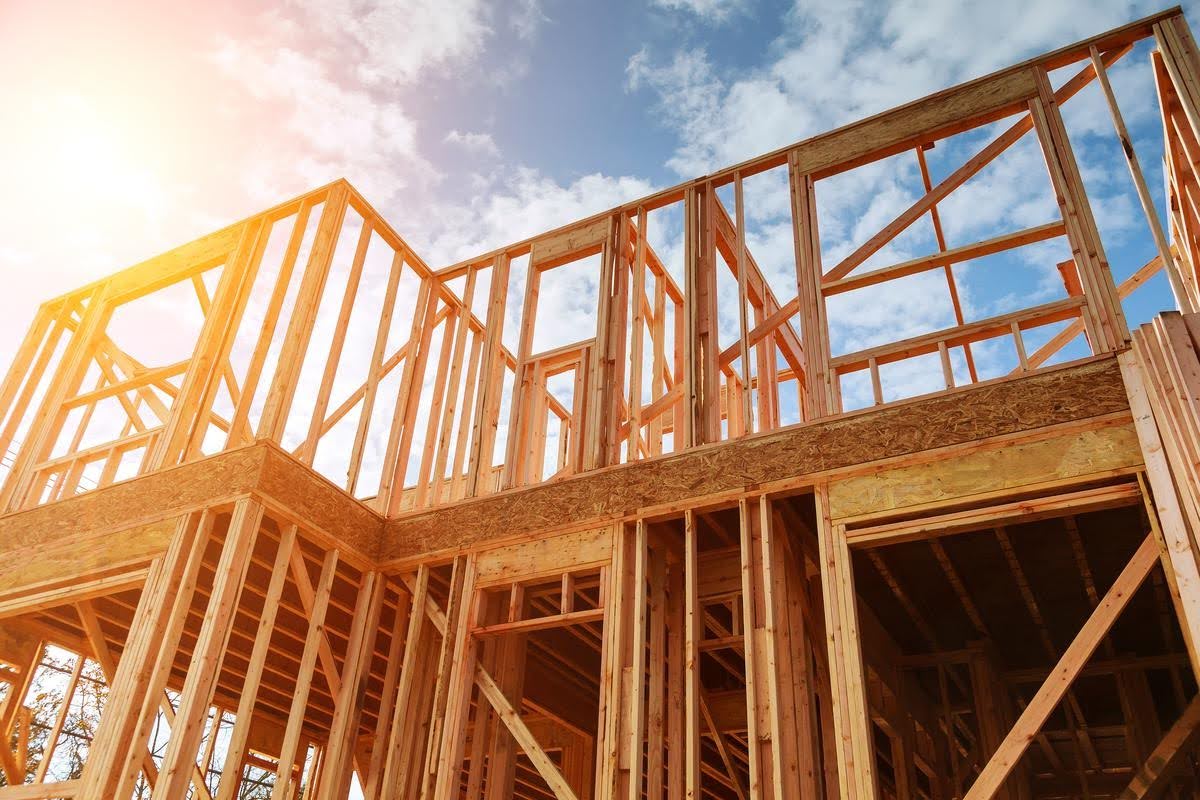
Any framing lumber that is touching concrete or is within a few inches of grade or is the connection point for an exterior structure needs to be treated. This includes sill plates on foundation walls, deck ledger boards bolted to the house, and any sleepers or nailers that are sitting directly on a slab. Building code in most jurisdictions requires this by default — it’s an inspection item, not a builder’s judgment call.
Decking and Exterior Structures: Posts, Joists, and Rails
For decks, pergolas, and other structures, pressure-treated lumber makes up the underlying structure: posts, beams, joists, etc. While treated lumber frames can be left exposed, many builders opt to cover them up anyway, using either pressure-treated boards or composite decking.
Choosing Standard Framing & Structural Materials for Interior Use
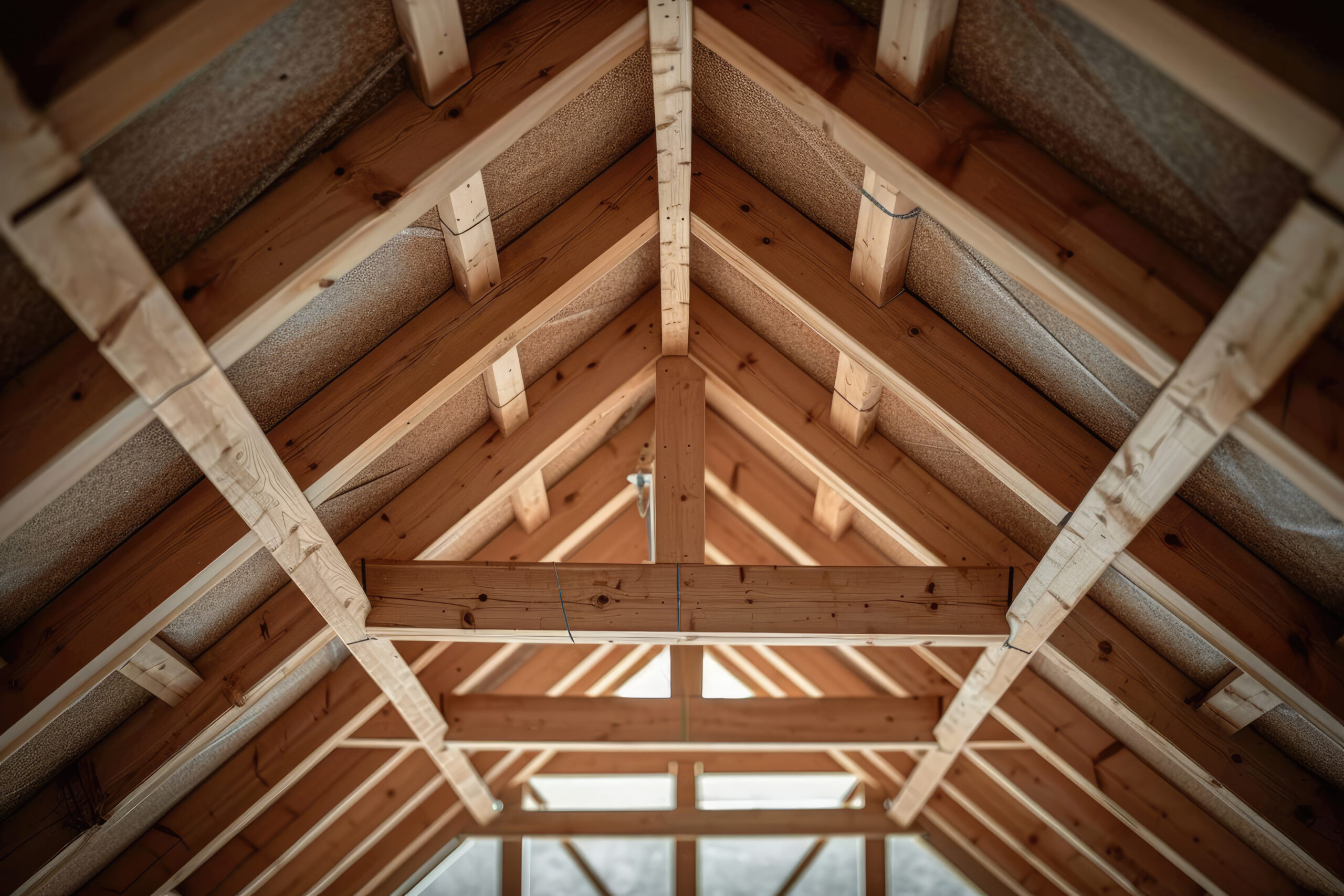
Not every board on the site needs to be treated, and treating everything only increases material cost without adding value. Interior wall framing, roof framing, and any structural member that stays dry and elevated from grade can — and should — use standard kiln-dried framing lumber like SYP, SPF, or Douglas Fir.
Treated Lumber vs. Naturally Durable Species
Builders sometimes ask if naturally rot-resistant species such as cedar or redwood can be substituted for treated lumber. It can, in some above-ground applications, but it is often more expensive, does not have a rating for ground contact (only UC2 or UC3), and is not as widely available. Builders who need uniformity and budget control on large structures should go with treated lumber for anything the ground touches or that bears significant weight.
Fasteners and Hardware for Framing & Structural Materials
Here’s a detail that trips up even experienced crews: the copper-based chemicals in modern treated lumber are corrosive to standard steel fasteners. Use hot-dip galvanized (G185) or stainless steel hardware rated for use with treated wood.
A Quick Decision Framework for Framing & Structural Materials
Next time you’re specing a framing or exterior package, ask yourself:
- Will it touch soil, concrete, or standing water? → Treated, UC4 minimum
- Exposed to weather but elevated above grade? → Treated, UC3
- Interior and dry? → Standard framing lumber
- What hardware will be connected to it? → Confirm galvanized or stainless fasteners
Running that checklist at takeoff — not mid-framing — is what keeps crews from making the kind of substitution that turns into a callback two years down the road.
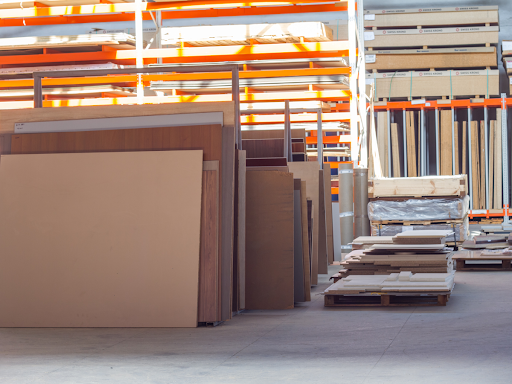
At Evolution Supply, we carry treated lumber in addition to our framing and decking inventory, so your crews can always get exactly the material they need for a given application without the hassle of buying from multiple places. Our staff delivers every order on our own trucks and places them precisely where your crews need them with our Princeton PiggyBack forklifts, saving you both time and money on a project that can’t wait.
Frequently Asked Questions
Q: Does all treated lumber cost more than standard framing lumber?
A: Yes, treated lumber typically costs more per board foot due to the pressure treatment process, but the return on investment is well worth the cost compared to a rot repair or warranty callback.
Q: Can treated lumber be painted or stained?
A: Yes, most treated lumber can be painted or stained once it has fully cured, which takes anywhere from a few weeks to a couple of months.
Q: What happens if standard lumber is used in a ground-contact application by mistake?
A: It dramatically reduces the life of the component and could result in a code violation if an inspector determines that UC4 treated lumber was required for the application.
Q: Is treated lumber safe to use near composite decking?
A: Yes — treated lumber is often used as the underlying framework for composite decking systems such as Trex and TimberTech, providing a durable frame and a maintenance-free surface.