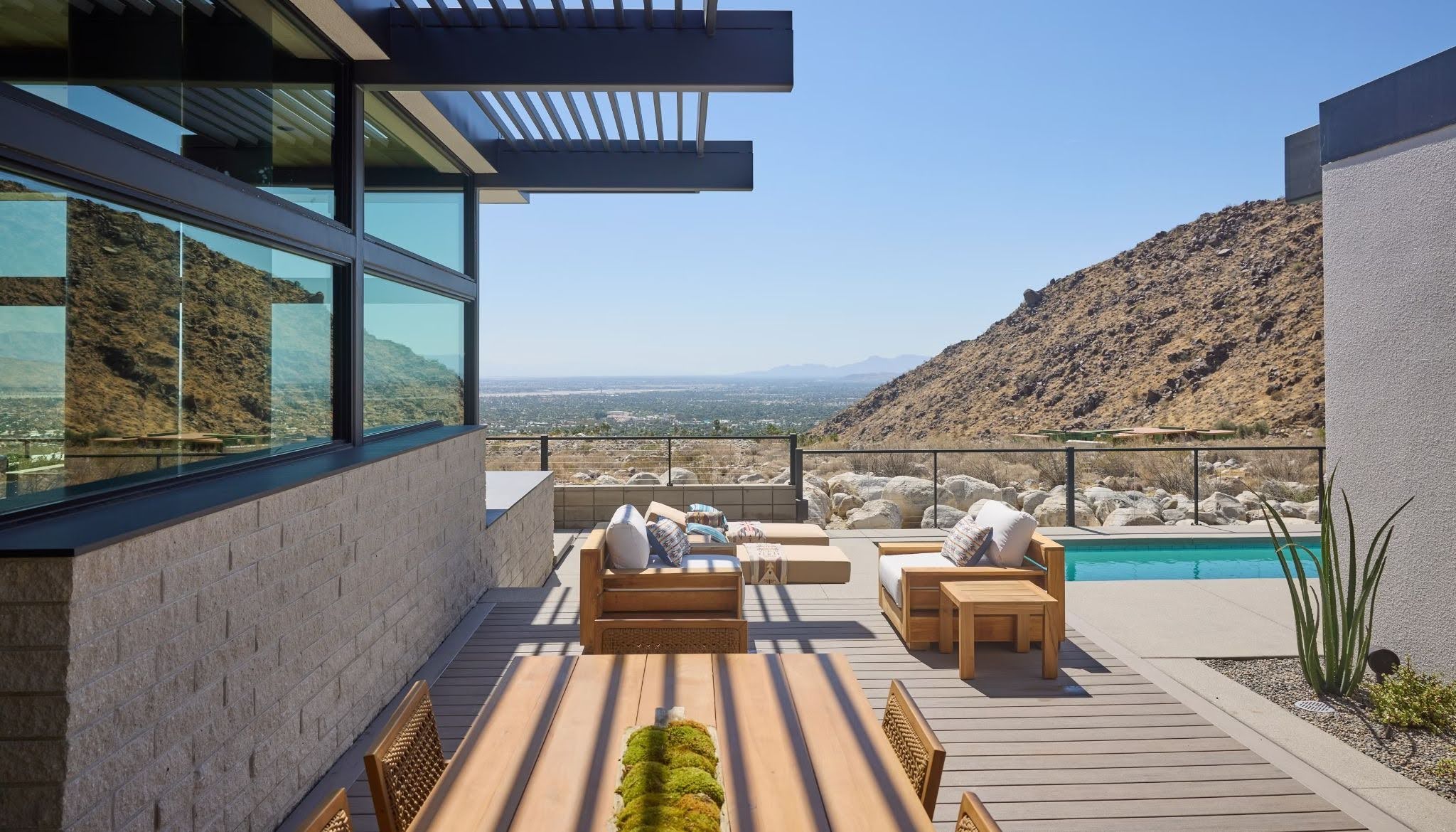
The 2026 exterior construction market continues to move toward system-based building rather than material-by-material sourcing. For contractors and builders, this shift is being driven by tighter schedules, labor constraints, and increased expectations for long-term performance from clients.
Traditional lumber still plays a role in framing and budget-conscious projects, but most visible decking surfaces are now specified as engineered systems. Products from manufacturers like Trex and TimberTech continue to set the standard for durability, consistency, and ease of installation.
For builders working with suppliers such as Evolution Supply, this trend has a direct operational impact: fewer fragmented material orders, more coordinated system packages, and reduced delays from incompatible components.
Evolution Supply supports contractors by streamlining access to decking, railing, framing, and exterior systems through integrated supply options designed for real-world jobsite efficiency.
Decking Materials Shift Toward Composite and PVC Systems
One of the most significant changes in 2026 is the continued displacement of traditional wood decking in finished surface applications. Composite and PVC systems now dominate residential and light commercial exterior builds due to their resistance to moisture, UV exposure, and long-term wear.
Products from AZEK are increasingly used in high-exposure environments where dimensional stability and color retention are critical performance factors.
What this means for builders:
- Less jobsite variability compared to wood
- Reduced callbacks related to warping, splitting, or fading
- More reliance on manufacturer installation standards
This also increases the importance of working with supply partners who maintain consistent availability across product lines. Evolution Supply helps contractors avoid delays by keeping core decking systems and accessories aligned under one procurement channel.
Decking Installation Standards Are Becoming More Systemized
Installation practices are becoming more standardized across manufacturers, leaving less room for field improvisation. This is particularly true for composite and PVC systems, which require precise spacing, fastening, and ventilation compliance.
Hidden fastening systems are now the norm rather than an upgrade. Substructure preparation has also become more critical, especially when working with heavier composite boards that place different load and expansion demands on framing systems.
For contractors, this creates two major shifts:
- Greater dependence on manufacturer documentation
- Increased need for consistent material sourcing and compatibility
Evolution Supply supports this by supplying coordinated fasteners, connectors, and framing materials alongside decking systems to reduce mismatch errors on-site.
Decking Color, Texture, and Finish Trends in 2026
A clear aesthetic shift is occurring in exterior decking design. Homeowners are moving away from high-contrast or heavily synthetic-looking finishes and toward natural, muted tones.
Popular directions include:
- Weathered hardwood tones such as gray oak and driftwood
- Deep brown walnut-style finishes
- Low-gloss matte surfaces that reduce glare
- Embossed grain patterns that replicate real lumber
Multi-tone boards are increasingly standard in premium product lines, allowing builders to deliver a more customized appearance without additional labor or staining processes.
From a supply standpoint, this makes inventory planning more important. Builders working with Evolution Supply benefit from coordinated ordering that reduces mismatched dye lots and ensures consistency across multi-phase projects.
Decking and Railing Integration Is Now Standard Practice
Railing systems are no longer treated as secondary components added at the end of a project. Instead, they are increasingly engineered as part of the full decking system.
Manufacturers like Westbury and RDI now design products specifically to integrate with composite decking profiles, reducing installation time and improving structural consistency.
Key trends include:
- Pre-engineered railing kits matched to decking systems
- Increased adoption of aluminum and cable rail designs
- Reduced on-site fabrication requirements
- Earlier coordination between framing and railing layout
For contractors, early-stage planning is now essential. Evolution Supply helps streamline this process by providing access to compatible decking and railing systems under one coordinated supply structure.
Decking System Efficiency and Labor Optimization
Labor efficiency continues to be one of the strongest drivers behind material selection. Contractors are increasingly evaluated on speed of completion and consistency of finish quality, not just build execution.
System-based decking packages now include:
- Boards
- Hidden fasteners
- Fascia and trim components
- Installation guides aligned with warranty requirements
This reduces field decision-making and minimizes installation errors.
Evolution Supply plays a key role here by reducing procurement complexity. Instead of sourcing components across multiple vendors, contractors can align decking, fasteners, framing, and exterior accessories through a single supply partner.
Decking Structural and Framing Requirements Are Evolving
While surface materials receive the most attention, substructure requirements are becoming more technically demanding.
Modern decking systems are frequently installed over engineered framing materials such as:
- LVLs (laminated veneer lumber)
- I-joists for long-span applications
- Pressure-treated lumber for ground-contact durability
- SPF, Douglas Fir, and Southern Yellow Pine for standard framing applications
Because composite decking tends to be heavier than traditional wood, structural consistency is more important than ever. Connector systems and corrosion-resistant hardware are also required to meet manufacturer warranties.
Evolution Supply supports framing requirements with access to engineered wood products, connectors, and fastening systems designed specifically for modern exterior applications.
Decking Projects Are Expanding Into Full Exterior Systems
Decking installations are increasingly part of larger outdoor living projects rather than standalone builds.
Common expansions include:
- Pergolas and shade structures
- Porch extensions and covered outdoor spaces
- Detached sheds and garage kits
- Integrated fencing systems
Fencing products such as those from Action Fence are frequently paired with decking systems to create cohesive exterior environments.
For contractors, this trend increases total project value but also requires tighter coordination of materials, scheduling, and delivery timing. Evolution Supply supports this shift by helping contractors bundle exterior system materials into coordinated orders that reduce jobsite delays.
Why Supply Chain Coordination Matters More in 2026
One of the most overlooked aspects of modern decking construction is supply chain coordination. As systems become more integrated, delays or mismatches in one component can impact the entire installation timeline.
Common issues include:
- Incompatible fastener systems
- Mismatched railing and decking profiles
- Delayed specialty trims or fascia boards
- Inconsistent material batches across shipments
Working with a consolidated supplier reduces these risks. Evolution Supply focuses on aligning decking, railing, framing, and exterior materials so contractors can maintain predictable scheduling and reduce downtime.
Contractors can learn more about these integrated supply solutions at https://esbuildingmaterials.com/services/decking-railings-exterior-structures/
What Contractors Should Expect Going Forward
The direction of the industry is consistent: standardized systems, tighter installation tolerances, and increased reliance on engineered performance materials.
Contractors who adapt early to system-based installation workflows will benefit from:
- Faster project turnaround times
- Fewer warranty-related callbacks
- Improved material consistency
- More predictable labor planning
The role of suppliers is also shifting. Rather than simply providing materials, they are becoming coordination points for full exterior systems. Evolution Supply operates within this model by supporting contractors with integrated decking, framing, and exterior product solutions designed for real-world construction demands.
Learn more about Evolution Supply’s decking services at https://esbuildingmaterials.com/services/decking-railings-exterior-structures or contact us for a quote at https://esbuildingmaterials.com/get-a-quote
Frequently Asked Questions (FAQ)
Q: What is the biggest decking trend for 2026?
A: The continued shift toward composite and PVC systems that reduce maintenance and improve long-term durability.
Q: Is wood decking still used?
A: Yes. It remains common in budget builds and framing, but composite surfaces dominate most new residential and commercial projects.
Q: What railing systems pair best with modern decking?
A: Aluminum and modular systems, particularly those designed for compatibility with composite decking profiles.
Q: How are framing requirements changing?
A: Heavier composite systems are increasing reliance on engineered lumber such as LVLs and I-joists, along with upgraded connectors and fasteners.
Q: Why are composite systems preferred?
A: They provide longer lifespan, reduced maintenance, and more consistent appearance compared to natural wood.
Q: Do composite decks require special installation methods?
A: Yes. They require manufacturer-specific fastening systems, spacing rules, and ventilation requirements.
Q: Are decking projects expanding in scope?
A: Yes. Pergolas, fencing, and other exterior structures are commonly bundled into full outdoor living packages.