How Early Decisions Prevent Delays, Rework, and Costly Changes
Every new year brings fresh schedules, new builds, and tighter expectations. For builders and contractors, the goal is always the same: start strong, avoid early delays, and keep projects moving without expensive course corrections. One of the most effective ways to do that is by locking in Windows & Doors decisions early — before framing wraps up and before small oversights become major disruptions.
Windows and doors are rarely the flashiest part of a build, but they are among the most impactful. They affect framing accuracy, energy performance, installation timelines, inspection approvals, and client satisfaction. When they’re planned late or specified loosely, they slow everything down. When they’re planned correctly from the start, they quietly support efficiency across the entire project.
This guide breaks down why early Windows & Doors planning matters, how it protects margins, and how contractors can use smarter material coordination to avoid costly changes throughout the year.
How Windows & Doors Impact Every Phase of Construction
Windows & Doors touch nearly every phase of construction. They dictate rough openings during framing, impact exterior weatherproofing, influence interior finishes, and play a major role in energy efficiency and code compliance. Despite that, they’re often treated as a later decision — one that gets rushed when schedules tighten.
That approach creates risk. Incorrect sizing, long lead times, or last-minute spec changes can stall progress and force crews to rework framing, trim, and finishes. Each adjustment eats labor hours and pushes timelines further out.
Planning Windows & Doors early eliminates those variables. When selections are finalized before or during framing, materials can be ordered accurately, openings can be built correctly, and installations can happen without disruption.
Framing Accuracy Depends on Early Windows & Doors Decisions
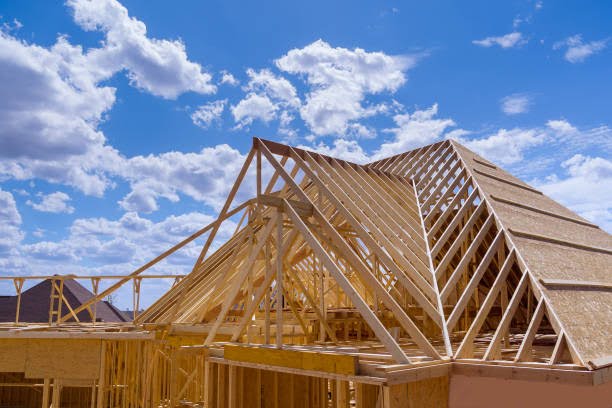
Framing crews rely on precise dimensions. Even small inconsistencies in Windows & Doors specifications can result in rough openings that don’t align with delivered products. When that happens, fixes are rarely quick or cheap.
Early coordination ensures framing packages and window schedules are aligned from the start. Openings are framed correctly the first time, reducing on-site modifications and keeping crews productive. That efficiency carries through inspections and into exterior and interior work, where everything fits as intended.
The earlier these decisions are made, the fewer surprises show up later.
Preventing Lead-Time Delays Before They Disrupt Schedules
One of the most common causes of window and door delays is underestimated lead times. Specialty sizes, custom finishes, or performance-rated products often require longer production schedules. If orders are placed late, projects wait — and waiting costs money.
Planning Windows & Doors at the beginning of the year gives contractors control over timelines. Orders can be placed early, deliveries scheduled strategically, and installations coordinated with other trades. Instead of scrambling to adjust schedules, builders maintain momentum.
In a year where labor availability and material timing remain unpredictable, early planning is a competitive advantage.
Meeting Energy Codes and Performance Requirements from the Start
Energy codes continue to evolve, and Windows & Doors play a major role in compliance. U-values, glazing options, and air-sealing performance all affect inspections and long-term building performance.
When these factors are considered early, contractors can choose products that meet requirements without compromising budgets or schedules. Late changes to meet code often mean reordering products, revising openings, or delaying inspections — none of which help margins.
Getting it right upfront keeps projects moving and avoids costly corrections down the line.
Coordinating Windows & Doors from Takeoff to Final Install
Early planning only works when it’s backed by the right partners. That’s why Evolution Supply works closely with trusted manufacturers like Lindsay Windows, providing contractors with dependable Windows & Doors solutions that balance performance, consistency, and installation efficiency.
From the first takeoff through the final punch list, Evolution Supply manages Windows & Doors packages with accuracy and care. Contractors receive pre-bundled window and door packages tailored to each project, reducing missing components, ordering errors, and job-site confusion.
Deliveries are coordinated to match the construction schedule — not dropped weeks early and not arriving after crews are already waiting. Using Evolution Supply’s own fleet and Princeton PiggyBack forklifts, materials are offloaded exactly where crews need them, minimizing handling, labor strain, and site congestion.
For builders managing dozens — or even hundreds — of units, this reliability matters. Evolution Supply simplifies Windows & Doors sourcing by serving as a single, dependable partner, allowing contractors to focus on building instead of chasing materials.
Improving Installation Efficiency and Crew Productivity
Window and door installation is a critical moment in the build. Crews are often working around weather windows, exterior schedules, and interior sequencing. When Windows & Doors arrive late, damaged, or mismatched, installation slows and frustration builds.
Early planning allows for clean coordination. Materials arrive when openings are ready. Installers work without interruption. Follow-on trades stay on schedule instead of waiting for fixes.
For contractors, that means fewer lost hours and a smoother transition from rough construction to finishes.
Reducing Rework, Callbacks, and On-Site Corrections
Few things erode profit like rework. Improper flashing, poor alignment, or incompatible finishes often stem from rushed decisions or mismatched Windows & Doors selections.
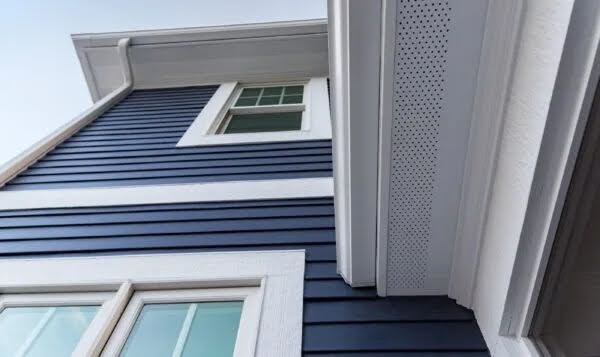
By finalizing products early — and ensuring compatibility with siding, trim, and interior finishes — contractors significantly reduce callbacks. Installations perform as expected, finished spaces look intentional, and warranty issues decrease.
Less rework means more predictable margins and stronger client trust.
Aligning Windows & Doors with Client Expectations
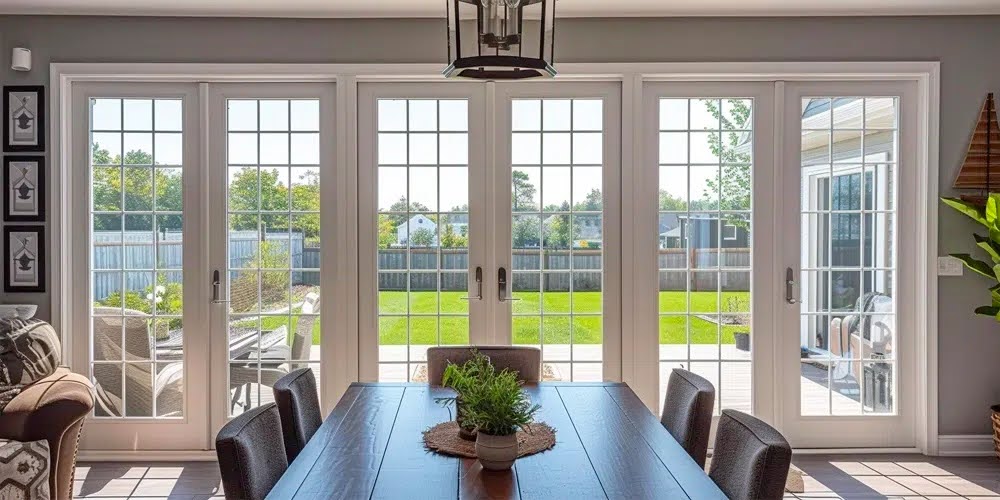
Today’s clients expect more than functional openings. They want efficient, durable Windows & Doors that look good and perform over time. When selections are rushed, compromises show.
Early planning allows contractors to guide clients through options thoughtfully, balancing performance, aesthetics, and cost. That clarity builds confidence and minimizes late-stage changes that disrupt schedules.
Clients may never ask about lead times — but they notice when everything works.
Protecting Profit Margins Through Smarter Planning
Every delay, adjustment, and callback has a cost. Early Windows & Doors planning reduces those risks by improving accuracy, efficiency, and predictability.
Contractors protect margins by reducing labor overruns, minimizing material waste, avoiding schedule disruptions, and limiting warranty issues. Over the course of a year, those savings compound quickly.
Setting the Tone for the Year Ahead with Windows & Doors
The start of the year is the best time to establish better habits. Contractors who lock in Windows & Doors decisions early set themselves up for smoother builds, happier crews, and more satisfied clients.
Windows & Doors may be just one component of a project, but they influence everything around them. When planned correctly, they support efficiency from framing through final walkthrough.
If you’re looking to start the year with stronger coordination, fewer surprises, and better results, early Windows & Doors planning is one of the smartest moves you can make. To learn more about dependable solutions designed for job-site efficiency and long-term performance, visit https://esbuildingmaterials.com/services/windows-doors.
FAQ
Q: When should Windows & Doors be selected during a project?
A: Ideally before or during framing, so rough openings, lead times, and installation schedules are fully aligned.
Q: How do Windows & Doors affect construction timelines?
A: Late or incorrect selections can delay framing, inspections, siding, trim, and interior finishes.
Q: Can early Windows & Doors planning really reduce costs?
A: Yes. It minimizes rework, labor overruns, material waste, and last-minute change orders.
Q: Why do lead times matter for Windows & Doors?
A: Custom sizes and performance-rated products often require longer production schedules that must be planned for early.
Q: What should contractors look for in a Windows & Doors supplier?
A: Consistent quality, reliable lead times, coordinated delivery, and job-site support that aligns with real construction workflows.