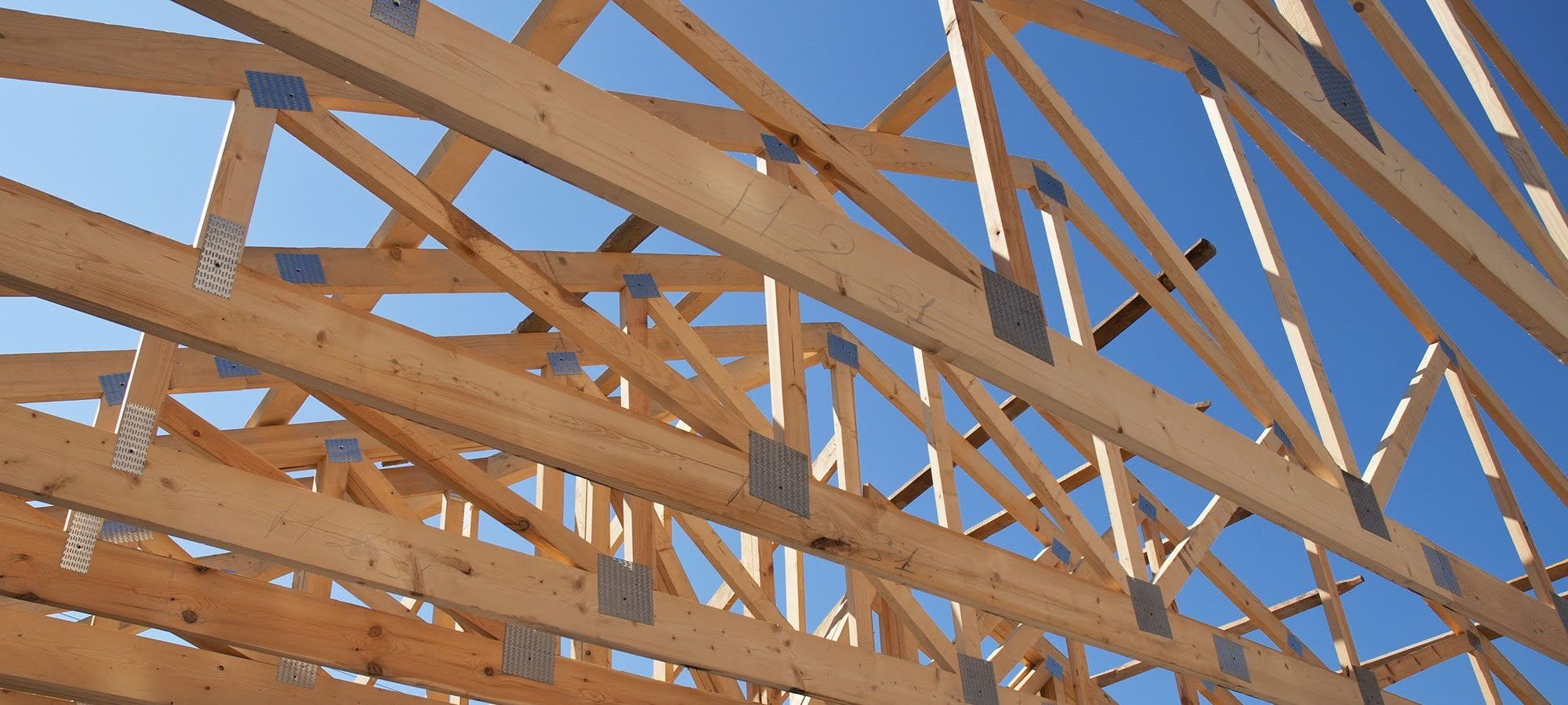
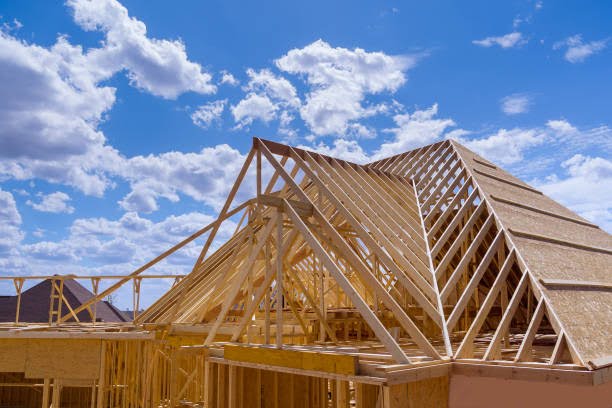
When it comes to residential and light commercial construction, truss joints are more than just the connection points of your framing—they’re the backbone of the entire structure. Weak or inconsistent joints can lead to costly callbacks, inspection headaches, and unpredictable timelines. On the flip side, investing in high-quality materials upfront directly improves job-site efficiency, protects margins, and gives contractors confidence that their projects will stand the test of time.
Material quality isn’t just about ticking a spec sheet box—it’s about performance you can see and feel. From the stiffness of a Southern Yellow Pine truss to the uniform reliability of engineered wood joists, the choices you make at the lumber yard ripple across every phase of construction. Let’s break down how selecting the right materials for your truss joints can make a measurable difference.
Why Strength and Stiffness Matter in Truss Joints
The first and most obvious factor in truss performance is the inherent strength and stiffness of the wood. Materials like Southern Yellow Pine (SYP) offer superior load-bearing capabilities, making them ideal for applications where structural integrity is critical. When truss joints are made from high-strength materials, they resist bending, twisting, and sagging over time, reducing the likelihood of structural issues down the road.
Douglas Fir (DF) is another favorite for framing. Its excellent strength-to-weight ratio makes it versatile for a wide range of load-bearing scenarios, without adding unnecessary weight to the structure. Contractors often find that using DF in truss construction ensures smoother installation and predictable performance across multiple job sites.
Even more versatile options like Hem-Fir (HF) provide solid performance while being easier to work with on-site. This combination of strength and workability can reduce installation errors that compromise truss joint integrity. For budget-conscious projects, SPF (Spruce-Pine-Fir) provides a lightweight, cost-effective alternative that’s still suitable for general framing, though careful attention is needed to ensure joints remain tight and secure.
Engineered Framing and Structural Materials for Consistent Truss Joint Performance
While natural wood species have proven their worth over decades, engineered options bring consistency and reliability that traditional lumber can’t always match. Truss joists and other engineered wood joists are designed for long spans and uniform performance, minimizing the risk of weak points in your truss joints.
In addition, Oriented Strand Board (OSB) has become a go-to for sheathing walls, floors, and roofing systems. Its uniformity and predictable load distribution make it a perfect partner to high-quality lumber, ensuring that truss joints maintain alignment and stability from the first nail to long-term occupancy.
When contractors combine engineered joists with strong lumber species, inspections are smoother, and structural performance remains consistent even in challenging conditions. The reduced variability in materials also translates to fewer callbacks and less on-the-job troubleshooting.
Protecting Truss Joints in Moisture-Prone Areas with the Right Framing Materials
Not all trusses live in dry, protected spaces. Moisture is a major enemy of joint integrity, causing warping, swelling, and decay over time. Choosing the right treated lumber can protect your trusses in these challenging conditions.
Treated lumber provides durability where water exposure or ground contact is unavoidable. Using treated materials at critical joints ensures the wood retains its structural integrity even in basements, crawl spaces, or exterior overhangs. This proactive approach prevents premature deterioration and eliminates expensive repairs or replacements down the road.
How Quality Truss Joints and Framing Materials Impact Real Job-Site Outcomes
Material quality impacts more than just structural performance—it directly affects daily job-site realities. High-quality wood and engineered materials make truss assembly faster, easier, and more predictable. Contractors notice:
- Fewer Callbacks: Strong, stable joints hold fast over time, reducing the likelihood of repair work after occupancy.
- Smoother Inspections: Inspectors respond well to joints that are tight, level, and built from consistent, code-compliant materials.
- Predictable Timelines: Quality materials reduce surprises on the job site, keeping projects on schedule.
- Protected Margins: Minimizing errors and callbacks directly impacts profitability. Less rework means more predictable costs.
In practice, this means that a contractor using Southern Yellow Pine for critical load-bearing trusses, combined with OSB sheathing and engineered truss joists, is more likely to see a first-time pass at inspections and minimal adjustment work. On the other hand, cutting corners on material quality can translate into frustrating delays, safety risks, and margin erosion.
Matching Framing and Structural Materials to the Right Truss Joint Application
Different construction scenarios call for different material solutions. Understanding the strengths and limitations of each option ensures long-lasting truss joints and fewer surprises on-site:
- SYP: Best for primary load-bearing members where strength is critical.
- DF: Excellent for framing and general structural applications.
- HF: Offers a balance of strength and ease of use for versatile truss layouts.
- SPF: Lightweight, cost-effective, ideal for secondary framing where loads are moderate.
- Treated Lumber: Essential in moisture-prone areas or where ground contact is possible.
- Truss Joists (Engineered): Uniform, long-span capability with predictable performance.
- OSB: Reliable sheathing to support joint stability and consistent load transfer.
By thoughtfully matching materials to their intended use, contractors can maximize the longevity of truss joints and overall structural performance. It’s not just a theoretical exercise—it’s about protecting the investment of time, labor, and materials on every project.
Why Investing in High-Quality Framing and Structural Materials Pays Off for Truss Joints
The bottom line is simple: the quality of the materials you select for truss joints directly correlates with job-site outcomes. Strong, consistent lumber and engineered products reduce risk, streamline installation, and safeguard your projects from hidden issues that could derail timelines and margins.
At Evolution Supply, we understand that contractors need more than just materials – they need reliability and predictability. From Southern Yellow Pine to engineered truss joists, our selection is designed to support long-lasting, high-performing trusses that keep projects moving and inspections passing.
Explore our full range of framing and structural materials and ensure your truss joints are built to last at Evolution Supply Framing & Structural Materials.
Frequently Asked Questions
Q: Can I mix different lumber species in one truss system?
A: Yes, but it’s important to consider load requirements and compatibility. Using stronger species like SYP for high-load members while utilizing SPF for secondary framing can be effective if done thoughtfully.
Q: Are engineered truss joists necessary for residential construction?
A: Not always, but they provide uniformity and long-span capability, reducing variability and helping projects stay on schedule.
Q: How do treated lumber trusses perform over time?
A: Treated lumber is highly durable in moisture-prone areas. Properly installed, it can prevent decay and maintain joint integrity for decades.
Q: Does OSB affect truss joint strength?
A: Yes. OSB provides consistent sheathing that stabilizes joints and supports load distribution, making it a key partner in long-lasting truss construction.