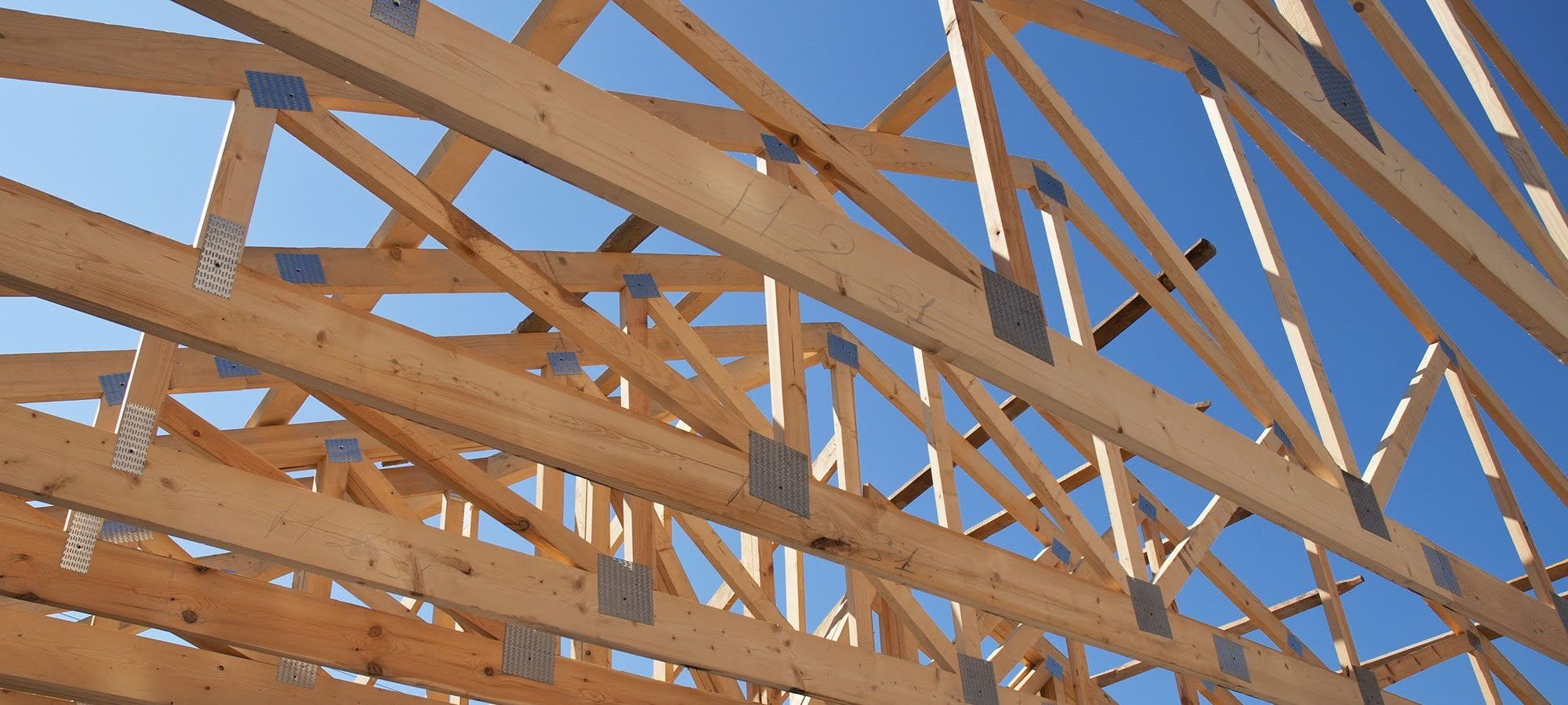
Truss systems are designed to simplify framing, but the performance of the entire roof structure still comes down to one thing: the quality of the Truss Joints. When those connections are compromised, even slightly, the result can be callbacks, structural issues, or inspection failures that slow down the entire job.
For contractors and builders, most truss problems don’t come from design—they come from execution, material selection, or field conditions. Below is a practical breakdown of the most common failure points and how to prevent them using the right Framing & Structural Materials and installation practices.
Improper Load Transfer in Framing & Structural Materials
One of the most frequent issues in truss performance is poor load transfer through the framing system. When loads are not properly distributed across engineered members, stress concentrates at the Truss Joints instead of moving through the structure as intended.
This typically happens when incompatible or inconsistent materials are used in the framing package. Evolution Supply helps reduce that risk by supplying a complete range of framing materials designed to work together as a system, including:
- Southern Yellow Pine (SYP) for high-strength load-bearing applications
- Douglas Fir (DF) for a strong strength-to-weight balance
- Hem-Fir (HF) for versatility and ease of use
- SPF (Spruce-Pine-Fir) for cost-efficient general framing
- Treated Lumber for moisture and ground-contact areas
- Truss Joists (Engineered Wood Joists) for long-span consistency
- OSB sheathing for stable wall, floor, and roof systems
When these materials are properly selected and paired, load paths remain predictable and Truss Joints are far less likely to experience localized stress failure.
Misaligned Truss Joints During Installation
Alignment issues are another common source of failure on job sites. Even small deviations during installation can create uneven stress distribution across the Truss Joints, especially in roof assemblies where multiple trusses must work in unison.
Misalignment often comes from:
- Rushed installation schedules
- Inaccurate layout marking
- Temporary bracing errors
- Field adjustments that deviate from engineered plans
Preventing this starts with disciplined site practices and consistent material quality. Engineered lumber products like I-joists and truss components are designed for precision, but they still rely on correct placement and bracing to perform as intended.
Evolution Supply supports this process by ensuring framing packages arrive organized, complete, and ready for installation—reducing the need for field improvisation that leads to misalignment.
Fastener and Connector Issues in Truss Joints
Fasteners and connectors are often the weakest link in Truss Joints when failures occur. Under-specification, incorrect installation, or mixing incompatible hardware can all compromise structural integrity.
Common problems include:
- Undersized or incorrect fasteners
- Improper connector placement
- Substituting non-rated hardware in the field
- Inconsistent nailing patterns
Using engineered connector systems designed for truss applications is critical. That includes structural hangers, truss plates, and fastening systems designed for predictable load transfer.
Evolution Supply supplies trade-focused hardware solutions, including MiTek/USP-compatible connectors and structural fasteners that are designed specifically for framing applications where consistency matters.
Moisture Exposure and Material Degradation in Framing & Structural Materials
Moisture is one of the most overlooked contributors to Truss Joint failure. Exposure during storage or early-stage construction can weaken lumber fibers, leading to shrinkage, warping, or reduced fastener holding strength.
This is especially relevant for:
- Open job sites with delayed dry-in schedules
- Improperly stored framing bundles
- Ground-contact exposure without treated materials
Material selection plays a major role in preventing this type of failure. Treated Lumber is essential for moisture-prone environments, while engineered products like Truss Joists and OSB offer more dimensional stability than traditional lumber in many applications.
Evolution Supply focuses on delivering framing packages that are staged correctly and protected during transport, helping reduce exposure before installation even begins.
Inconsistent Framing & Structural Materials Across the Build
Another issue that leads to Truss Joint stress is inconsistency in framing materials. Mixing grades, species, or moisture levels can cause uneven shrinkage and movement after installation.
For example, combining SPF with higher-density hardwoods in load-bearing assemblies can create differential movement that stresses connections over time.
A consistent material strategy reduces this risk significantly. That’s why Evolution Supply builds framing packages with system compatibility in mind, ensuring that structural components perform as a unified assembly rather than disconnected parts.
Best Practices to Strengthen Truss Joint Performance
Preventing Truss Joint failures is less about reacting to problems and more about controlling variables early in the process. Contractors can improve outcomes by focusing on:
- Using engineered framing systems that match design specifications
- Keeping material types consistent across structural assemblies
- Ensuring proper bracing during installation
- Verifying fastener and connector compliance before installation
- Protecting materials from moisture exposure on site
When these practices are paired with reliable supply logistics, jobsite risk decreases significantly.
Why Builders Partner with Evolution Supply
Evolution Supply is built around the needs of working contractors—not just material availability, but jobsite performance. Every delivery is structured to support efficiency, accuracy, and continuity across the build.
Key advantages include:
- Trade-Focused Inventory: Framing, decking, railing, trim, and more—selected for real jobsite use
- Top-Tier Product Lines: Including Trex, TimberTech, RDI, Westbury, and other proven brands
- Construction-Minded Service: Support for planning, problem-solving, and execution
- Reliable Delivery: Materials delivered using Princeton PiggyBack forklifts for precise placement on site
From foundation framing to rooftop assemblies, Evolution Supply helps ensure that structural systems are built with consistency and delivered without delays or missing components.
Final Takeaway
Most Truss Joint failures are preventable. They stem from material inconsistency, installation errors, or overlooked connector requirements—not from design limitations. With the right Framing & Structural Materials and a disciplined approach to installation, contractors can significantly reduce risk and improve long-term structural performance.
For builders looking to streamline framing packages and reduce jobsite issues, Evolution Supply provides integrated material solutions designed to keep projects moving efficiently.
Learn more about our framing and structural material solutions here:
https://esbuildingmaterials.com/services/framing-structural-materials
FAQ: Common Truss Joint Failures
Q: What is the most common cause of Truss Joint failure?
A: Improper installation is the leading cause, including misalignment, incorrect fastening, or inadequate bracing during construction.
Q: Can material choice affect Truss Joint performance?
A: Yes. Inconsistent or lower-grade framing materials can lead to uneven load distribution and movement that places stress on truss connections over time.
Q: How do engineered Truss Joists improve performance?
A: Engineered Truss Joists provide consistent strength and dimensional stability, reducing variability that can contribute to joint stress or structural deformation.
Q: What role do connectors play in truss system integrity?
A: Connectors transfer loads between framing members. If they are undersized, improperly installed, or not rated for the application, they can become a primary point of failure.
Q: How does moisture exposure impact Truss Joints?
A: Moisture can weaken wood fibers, cause swelling or shrinkage, and reduce fastener holding strength, all of which increase the likelihood of joint issues.
Q: Are Truss Joint failures usually visible early?
A: Not always. Some issues develop gradually as materials settle or react to environmental changes, which is why proper installation and material selection are critical from the start.
Q: What is the best way to prevent truss-related callbacks?
A: The most effective approach is using consistent Framing & Structural Materials, verified connectors, and ensuring correct installation practices with proper bracing and alignment.