Spring is the perfect season to kick off exterior decking projects. As temperatures rise and homeowners begin spending more time outdoors, the demand for functional, attractive decks surges. For contractors and builders, this is a prime window to showcase your expertise and deliver projects that enhance both lifestyle and property value. Decking projects aren’t just about aesthetic upgrades – they’re about creating durable, long-lasting outdoor spaces that homeowners can enjoy for years. This guide explores the key considerations, materials, and strategies for executing successful spring decking projects.
Choosing the Right Decking Materials for Spring Projects
Selecting the right decking materials is one of the most important steps in planning a project. Homeowners want outdoor spaces that look great and stand up to the elements. You want materials that install easily, perform reliably, and minimize callbacks. Evolution Supply stocks a range of options so you can match every client’s budget and every project’s specifications.
We proudly carry:
- Trex® Composite Decking – Trex is an industry leader in low-maintenance, fade-resistant boards. Its heat-reducing technology keeps surfaces comfortable underfoot, even during sunny spring afternoons. The durability and consistent performance of Trex boards make them a smart choice for clients looking for minimal upkeep and long-lasting beauty.
- TimberTech® – TimberTech offers durable capped composites and polymers with modern aesthetics. These boards resist moisture, fading, and impact, making them perfect for high-traffic areas or homes in humid climates. Contractors can rely on TimberTech for sleek, customizable designs that meet exact project specs.
- Premium Treated Lumber – For clients who prefer the natural look and feel of wood, treated lumber offers flexibility, strength, and a classic appearance. Southern Yellow Pine, Douglas Fir, and other treated species are ideal for custom designs, stair systems, and multi-level decks. Proper sealing ensures longevity and resilience against springtime moisture and UV exposure.
Matching materials to client needs while considering installation and maintenance helps contractors deliver value and build a reputation for quality.
Deck Layout Planning for Outdoor Living
Deck layout planning goes beyond measurements—it’s about creating functional, inviting spaces that homeowners will love. Spring projects often focus on entertainment areas, multi-level decks, and seamless integration with patios or porches.
- Traffic Flow: Proper spacing, wide boards, and logical layouts prevent crowding and make the deck comfortable for daily use or gatherings.
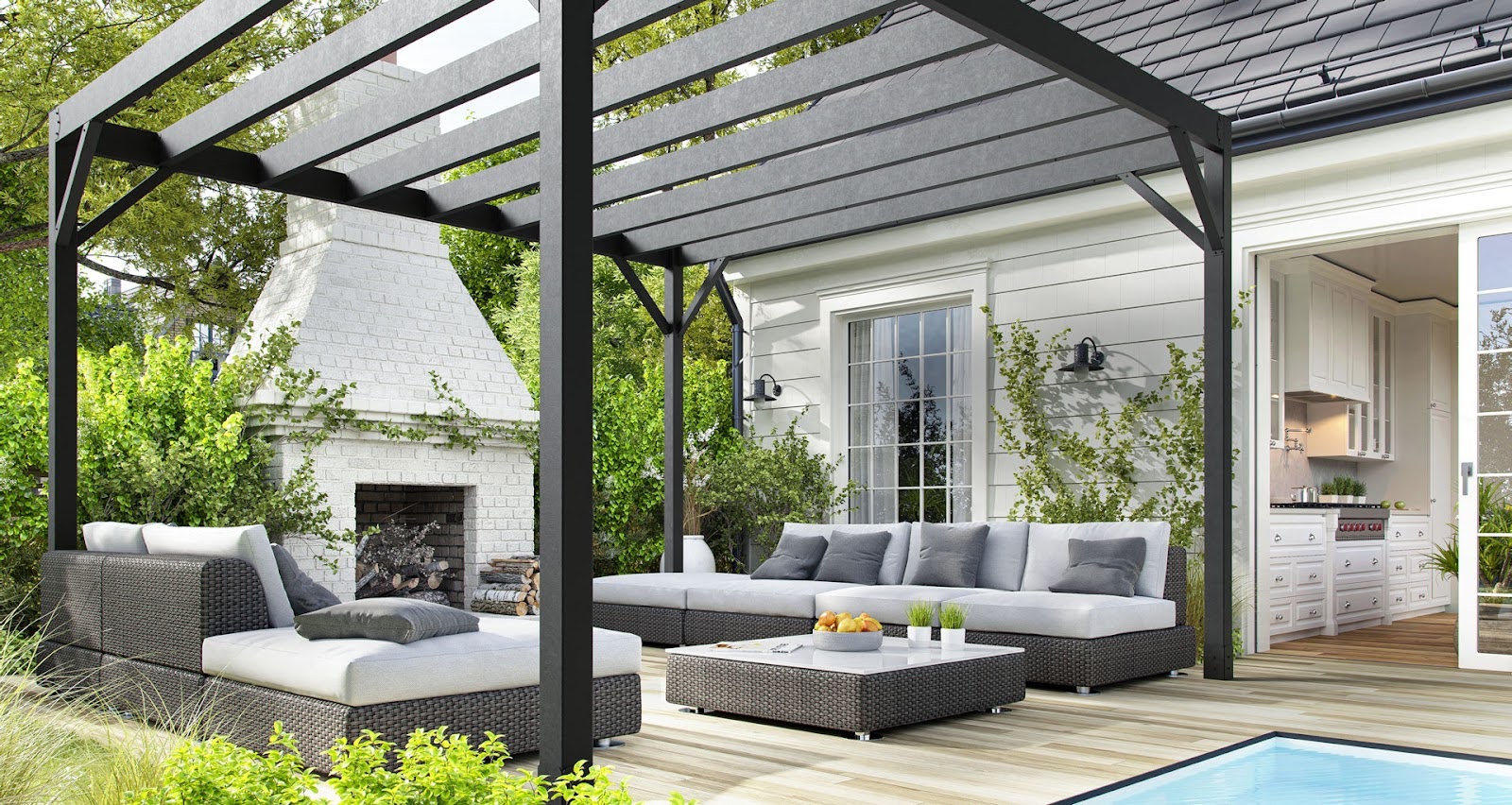
- Sun and Shade: Orientation matters. Position decks to maximize sunlight for warmth while incorporating shaded areas with pergolas or awnings. These zones can extend outdoor usability throughout the season.
- Structural Integration: Enhance aesthetics with exterior accents like Fypon decorative trim, porch posts, and railing systems from Westbury or RDI. Thoughtful integration of these features gives decks a cohesive look while reinforcing structural integrity.
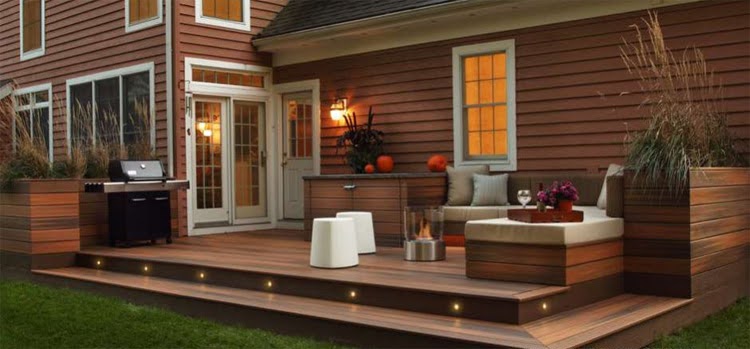
Advising clients on layout options, including built-in seating or planter boxes, shows that you understand both functionality and style.
Railing Options to Complement Your Decking
Railings are a critical aspect of deck design. They provide safety, meet code requirements, and can elevate the overall appearance of a project.
- Aluminum and Metal Railings: Westbury’s aluminum railings are durable, low-maintenance, and visually sleek. They’re perfect for modern homes or decks exposed to frequent moisture.
- Composite Railings: Trex and TimberTech offer composite railings that match decking boards for a uniform, polished look. These options are resistant to fading and require minimal upkeep.
- Custom Designs: RDI railing systems allow contractors to offer clients unique patterns, integrated lighting, and customizable heights. These features can enhance both style and safety, particularly on multi-level decks.
Highlighting railing options during the planning phase helps clients envision a finished deck that’s both attractive and secure.
Preparing for Spring Deck Construction
Spring construction requires careful attention to seasonal challenges. Moisture from rain or melting snow can affect decking materials, fasteners, and overall installation quality.
- Site Inspection: Evaluate soil stability, drainage, and debris from winter months. Proper site preparation reduces warping, settling, and other issues.
- Material Storage: Keep boards off the ground and covered to prevent water damage before installation.
- Tools and Equipment: Ensure all power tools, connectors, and safety gear are ready for efficient workflow. Using certified connectors and hardware from MiTek helps maintain structural integrity while streamlining the installation process.
Proactive preparation avoids delays, ensures a higher-quality result, and builds trust with clients.
Enhancements to Elevate Your Decking Projects
Homeowners increasingly expect decks to be more than a simple platform—they want extensions of their living space. Spring is the ideal time to offer enhancements that boost usability and aesthetic appeal.
- Pergolas and Shade Structures: Pergolas provide shade and architectural interest, creating comfortable areas for outdoor dining or relaxation.
- Exterior Accents: Decorative polyurethane trim, porch posts, and custom railings can add sophistication and charm. These enhancements make decks look professionally finished and increase perceived value.
- Outdoor Storage Options: Incorporating pre-built sheds or detached garage kits into deck layouts adds functionality without sacrificing style.
By offering these value-added features, contractors can differentiate themselves and deliver projects that truly exceed expectations.
Maintenance Tips for Long-Lasting Decking
Educating clients on proper deck maintenance ensures their investment lasts longer and reduces the likelihood of post-installation issues.
- Cleaning: Recommend a spring cleaning routine to remove dirt, pollen, and debris. Composite decks require less cleaning than wood but still benefit from routine care.
- Inspections: Advise clients to check for loose fasteners, cracks, or damaged boards annually. Early detection prevents costly repairs.
- Sealing and Staining: Wooden decks should be resealed or stained every few years to protect against moisture and UV damage. Maintenance extends life and keeps the deck looking fresh.
Providing maintenance guidance strengthens contractor-client relationships and positions you as a trusted expert.
Planning Your Spring Decking Projects
Spring is a critical period for decking construction. Homeowners are eager to upgrade their outdoor spaces, and contractors who plan effectively can capitalize on this demand.
- Schedule Early: Start projects early in the season to avoid mid-spring bottlenecks and weather delays.
- Offer Consultations: Discuss materials, layouts, and enhancements to demonstrate expertise and provide clients with a vision for their deck.
- Highlight Durability: Emphasize material performance, weather resistance, and ease of maintenance when presenting options to clients.
With strategic planning, quality materials, and thoughtful design, contractors can deliver standout spring decking projects that homeowners will enjoy for years.
Ready to elevate your decking projects this spring? Learn more about our decking, railings, and exterior structures at Evolution Supply.
FAQ
Q: What are the most durable decking materials for spring installations?
A: Trex composite decking, TimberTech capped composites, and premium treated lumber are excellent choices. Composites are low-maintenance and resistant to fading, moisture, and impact, while treated lumber offers a natural aesthetic with flexibility for custom designs.
Q: How can contractors ensure safety while building decks?
A: Use certified railing systems from Westbury and RDI, follow local building codes, and install secure fasteners and connectors from MiTek. Proper planning and inspections prevent accidents and ensure structural integrity.
Q: Are composite decks better than wood decks for spring projects?
A: Composite decks resist warping, splintering, and moisture-related damage, making them easier to install and maintain during spring weather. Wood decks offer a natural appearance and can be highly durable with proper sealing and maintenance.
Q: Can outdoor accents like pergolas and decorative trim be added to existing decks?
A: Yes. Pergolas, porch posts, and Fypon trim can be incorporated into both new and existing decks to enhance aesthetics and functionality.
Q: What preparation is needed for spring deck construction?
A: Inspect the site for drainage, soil stability, and winter debris. Store materials properly, ensure tools and connectors are ready, and plan the installation workflow to prevent delays.
Q: How often should decks be maintained?
A: Wooden decks require annual inspections and resealing every few years. Composite and PVC decks need periodic cleaning but less intensive maintenance.
Q: Are pre-built sheds and detached garage kits compatible with deck designs?
A: Yes. Evolution Supply offers exterior structures that complement deck layouts, providing functional and cohesive outdoor spaces.
Q: How can contractors recommend decking solutions to clients effectively?
A: Discuss material options, maintenance expectations, aesthetics, and enhancements. Using visual aids or material samples can help clients make informed choices and increase satisfaction.