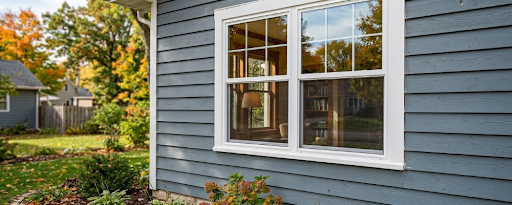
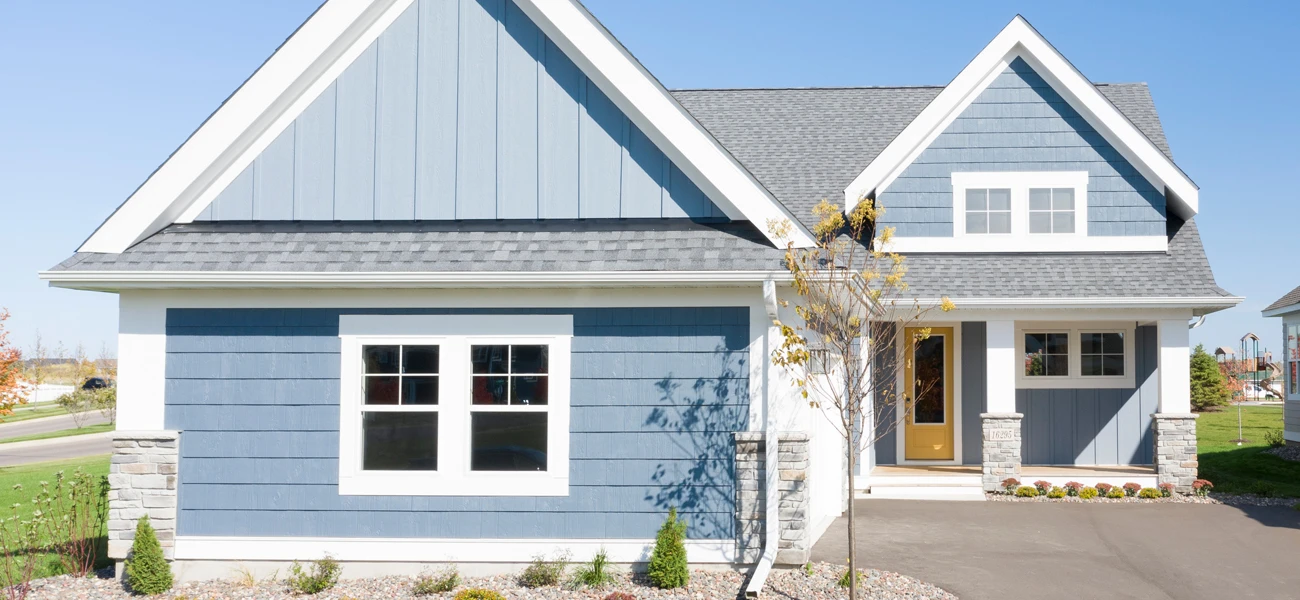
Spring is an ideal time for exterior siding and trim projects. With warmer temperatures and longer days, homeowners are ready to refresh their properties, and contractors have a prime opportunity to deliver high-quality, lasting results. Exterior siding and trim are more than cosmetic updates – they protect homes from the elements, improve energy efficiency, and enhance curb appeal. This guide provides insights, material recommendations, and practical strategies to help contractors plan and execute spring siding and trim projects successfully.
Choosing the Right Siding Materials for Spring Projects
Selecting durable, reliable siding materials is essential for performance and client satisfaction. Homeowners want siding that looks great, stands up to weather, and minimizes maintenance, while contractors need materials that install efficiently and consistently.
- LP® SmartSide® Trim and Siding – LP Building Solutions offers engineered wood siding and trim that resist moisture, decay, and termites. SmartSide products are lightweight, easy to cut, and ideal for quick spring installations.
- Cedar and Treated Wood – Premium treated lumber and natural cedar remain popular for custom designs and traditional aesthetics. Proper sealing and finishing help protect these materials from spring rains and fluctuating temperatures.
- Fiber Cement and Composite Options – Some projects call for fiber cement or composite siding, which are highly durable and low-maintenance. These options provide resistance to warping, cracking, and pests, ensuring long-lasting performance.
Matching siding materials to client needs and project specifications helps reduce callbacks and enhances your reputation for quality work. Consider factors such as climate, exposure to sun or moisture, and desired aesthetics when recommending materials.
Planning Siding Installation for Efficiency and Durability
Successful siding installation requires both precision and planning. Contractors should prepare carefully to ensure efficient workflow and long-lasting results.
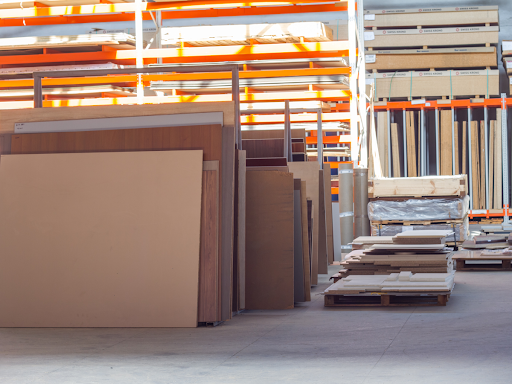
- Proper Sheathing and Underlayment – Ensure walls are plumb, square, and dry before installation. High-quality sheathing like OSB or treated lumber provides a solid base for siding.
- Weather Considerations – Springtime can bring unpredictable rain and temperature swings. Schedule installations when weather forecasts are favorable, and store materials off the ground and covered to prevent moisture damage.
- Cutting and Fastening – Use recommended fasteners and connectors to maintain structural integrity. Products like MiTek hardware can simplify installation and enhance durability.
By taking time to plan layouts, cuts, and fastening points, contractors can reduce material waste and ensure consistent results across the project.
Exterior Trim: Finishing Touches That Matter
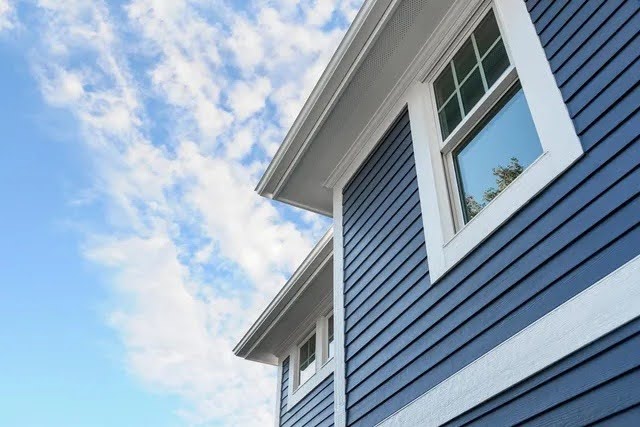
Trim is often the difference between a good siding job and a great one. Exterior trim frames windows, doors, and corners, providing both functional and aesthetic benefits.
- Protection Against Moisture – Trim helps direct water away from vulnerable seams, protecting the home from rot and decay. Using high-quality, moisture-resistant trim like LP SmartSide ensures longevity.
- Curb Appeal and Style – Decorative trim, moldings, and corner boards enhance the visual appeal of a home. Carefully selected colors, textures, and profiles can complement any architectural style.
- Ease of Installation – Lightweight and straight-cut trim boards reduce installation time, especially important for spring projects when homeowners want results quickly.
Highlighting trim options to clients during project planning demonstrates your expertise and shows attention to detail, building trust and confidence in your services.
Preparing for Spring Siding & Trim Projects
Spring presents unique conditions that contractors need to address for a successful siding and trim installation.
- Site Inspection – Check for moisture accumulation, damaged sheathing, or lingering debris from winter. Correcting these issues early prevents complications during installation.
- Material Storage – Keep siding and trim elevated and protected from rain to avoid warping or swelling.
- Tools and Equipment – Ensure all saws, fasteners, and ladders are in good working order. Using proper tools improves precision and reduces the risk of damage to boards.
Preparation is key to maintaining a smooth workflow and delivering quality results that satisfy homeowners and withstand seasonal weather.
Enhancing Siding Projects with Springtime Considerations
Spring siding projects often involve more than simply attaching boards to a home—they’re an opportunity to enhance durability, efficiency, and visual appeal.
- Energy Efficiency – Properly installed siding and trim can improve insulation and reduce air infiltration. Contractors can pair siding with modern insulation or house wraps to increase home efficiency.
- Aesthetic Customization – Corner boards, window trim, and fascia options allow clients to personalize their homes. Offering design suggestions demonstrates knowledge and adds value.
- Maintenance Benefits – Engineered and composite siding reduces long-term maintenance, which is appealing to homeowners planning outdoor upgrades in spring.
By combining durability, aesthetic appeal, and efficiency, contractors can provide solutions that meet both practical and visual expectations.
Maintenance Tips for Long-Lasting Siding and Trim
Educating clients on maintenance helps extend the life of siding and trim and reinforces your expertise as a contractor.
- Cleaning – Advise homeowners to wash siding and trim periodically to remove dirt, pollen, and mildew. Gentle cleaning prevents damage and keeps surfaces looking fresh.
- Inspections – Recommend annual inspections for loose trim, damaged boards, or fading paint. Early repairs prevent more significant issues.
- Sealing and Painting – Wooden siding and trim may require sealing or painting every few years to protect against moisture and UV damage. Engineered or composite options require less frequent maintenance but benefit from routine inspections.
Providing maintenance guidance not only helps homeowners protect their investment but also positions contractors as trusted experts.
Planning Your Spring Siding & Trim Projects
Springtime projects are in high demand, and careful planning ensures contractors can deliver on time and within budget.
- Schedule Strategically – Begin installations early in the season to avoid delays caused by weather or material shortages.
- Offer Consultations – Discuss materials, design choices, and maintenance recommendations with clients to provide a complete solution.
- Highlight Long-Term Value – Emphasize durability, low maintenance, and aesthetic benefits when presenting siding and trim options.
With thoughtful planning, contractors can maximize spring project opportunities and deliver high-quality results that homeowners appreciate.
Ready to elevate your siding and trim projects this spring? Learn more about our siding and trim solutions at Evolution Supply.
FAQ
Q: What siding materials are best for spring installations?
A: LP SmartSide engineered wood siding, premium treated lumber, and fiber cement or composite options are excellent choices. These materials resist moisture, decay, and pests while providing long-lasting performance.
Q: How can contractors ensure a durable siding installation?
A: Proper wall preparation, high-quality sheathing, recommended fasteners, and careful adherence to manufacturer installation guidelines ensure siding longevity and reduce callbacks.
Q: What are the benefits of using engineered trim like LP SmartSide?
A: Engineered trim is lightweight, straight, and moisture-resistant, making it easier to install. It protects edges, corners, and window openings while maintaining visual appeal and structural integrity.
Q: Can decorative trim and moldings be added to existing siding?
A: Yes. Adding corner boards, fascia, or window casings can enhance both protection and curb appeal, even on previously installed siding.
Q: How should materials be stored during spring projects?
A: Keep siding and trim elevated, covered, and protected from rain or standing water to avoid warping or swelling before installation.
Q: How often should siding and trim be maintained?
A: Wooden siding and trim should be inspected and painted or sealed every few years. Engineered or composite materials require less frequent maintenance but benefit from annual inspections.
Q: Are there energy benefits to properly installed siding and trim?
A: Yes. Correctly installed siding with insulation or house wrap can improve thermal efficiency, reduce air infiltration, and lower energy costs for homeowners.
Q: How can contractors recommend siding solutions to clients effectively?
A: Discuss material options, durability, aesthetics, and maintenance expectations. Showing samples, colors, and profiles helps clients make informed decisions and ensures satisfaction.