Imagine a general contractor wrapping up a 40-unit development project. The trim crew is three days away from completing the punch list when they discover that the baseboards in 12 of the homes are coming unstuck in several places. The problem: They installed millwork that wasn’t resilient enough around the bathroom, which caused the wood to swell. Now they have to rip out all the trim and order new material, further delaying the tight construction schedule.
This scenario plays out more often than builders would like to admit, and it usually comes down to one decision made early in the process: primed MDF or paint-grade wood. Both materials show up constantly in residential and multi-family millwork packages, but they perform very differently depending on where and how they’re used. Choosing the wrong one doesn’t just cost money. It costs time, and time is the one thing high-volume builders can’t afford to lose.
In this guide, we’ll break down what separates primed MDF from paint-grade hardwood, where each one shines, and how to make the right call for your next project.
Why Millwork Material Choice Matters in Volume Builds
When you’re doing custom homes, a millwork discrepancy is a minor annoyance – when you’re doing scores of them, it quickly becomes a significant drain on productivity.
The Real Cost of Getting It Wrong
Industry cost data suggests that buying primed MDF trim has advantages over paint grade hardwoods at volume, typically by a wide margin. But the value of a given material extends beyond the sticker price. Builders who specify MDF in high humidity areas (where the wood product can suffer serious swelling) or who choose solid wood for value conscious buyers in error, can find themselves backtracking at a far greater cost than if they’d selected the correct materials to begin with.
Material selection isn’t just a design preference. It’s a critical budget and scheduling decision that merits as much attention as your framing or siding package.
What Is Primed MDF Trim?
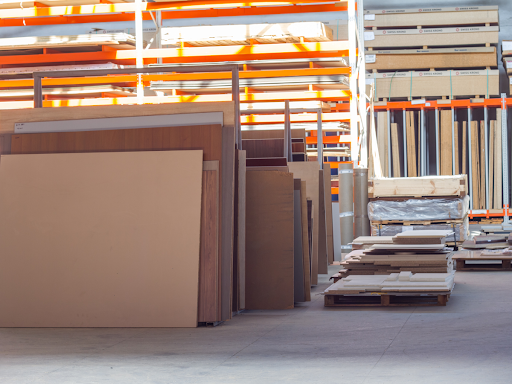
Primed MDF (medium-density fiberboard) is an engineered wood product made from wood fibers, resin, and wax, compressed under heat and pressure, then factory-primed and ready for paint. It’s become a go-to choice for production builders because of its consistency and price point.
Benefits of Primed MDF for Multi-Family and Production Builds
- Cost efficiency at scale. MDF is typically less expensive than solid hardwood, which adds up quickly across large unit counts.
- Consistent quality. Because it’s engineered rather than milled from natural wood, MDF has no knots, grain variation, or warping – every piece looks and installs the same way.
- Smooth, paint-ready surface. The factory primer gives finish crews a clean, uniform base, cutting down on prep time.
- Easy to work with. MDF cuts cleanly and holds detail well, which is useful for crown molding and detailed trim profiles.
Where Primed MDF Falls Short
MDF is generally not recommended for areas that are prone to high levels of humidity such as bathrooms or laundry rooms and should only be used if it is specifically designed to be moisture resistant. The material is also more susceptible to dents and chips in comparison to wood which is particularly important in high traffic areas in multi-family complexes.
What Is Paint-Grade Hardwood?
Paint-grade wood refers to wood trim, usually of poplar, pine or other common species, which is intended to be painted, as opposed to stained. It does not need to be as smooth or as free of defects as stain-grade wood, since the paint will hide minor imperfections.
Benefits of Paint-Grade Wood Millwork
- Better moisture and impact resistance. Solid wood generally holds up better in bathrooms, entryways, and other high-traffic or high-humidity areas.
- Structural strength. Wood trim can handle more physical stress without denting or crumbling at the edges.
- Long-term durability. In areas prone to wear, solid wood often outlasts engineered alternatives.
- Flexibility. Solid wood trim can be sanded and repainted multiple times over its lifespan without the surface breaking down.
Where Paint-Grade Wood Falls Short
The tradeoffs are cost and consistency. Paint-grade wood typically costs more than MDF, and natural wood can have slight variations in grain and moisture content that require more prep work before painting. For builders running tight margins across dozens of units, that added cost and labor can add up fast.
Primed MDF vs. Paint-Grade Wood: Side-by-Side Comparison
Cost
MDF wins on raw material cost, especially at the volume most production and multi-family builders are purchasing. Paint-grade wood costs more but can reduce long-term maintenance and replacement costs in high-wear areas.
Durability & Moisture Resistance
Paint-grade wood generally outperforms standard MDF in wet or high-impact environments. Standard MDF should be reserved for dry, low-traffic interior spaces unless a moisture-resistant product is specified.
Installation & Finish Quality
The uniformity of MDF makes it easier to prepare and paint, saving time and, therefore, money on a large scale. At the same time, wood requires more effort, but it gives a traditional look and feel, which some people prefer.
Best Use Cases
- Primed MDF: Baseboards, casings, and crown molding in bedrooms, living rooms, hallways, and other dry, low-impact interior spaces.
- Paint-grade wood: Bathrooms, entryways, mudrooms, and common areas in multi-family buildings where moisture or heavy use is a factor.
How to Choose the Right Millwork Material for Your Project
There is no universal answer because it depends on several factors, including the type of units, the room where it is going to be installed, budget, and buyer expectations. Most builders use a combination of materials, such as MDF for dry rooms to save money and paint-grade lumber in high-traffic areas like bathrooms, entrances, and other places where durability matters.
Questions to Ask Before You Spec Your Trim
- Which rooms in this unit see the most moisture or foot traffic?
- What is your budget for each unit, and where can you save money without sacrificing quality?
- Will the finish crew have time for the extra prep that solid wood requires?
- Are buyers or property managers expecting a specific look or feel in key rooms?
Asking these questions before choosing your millwork package will keep you on time and on budget.
Why Sourcing Consistency Matters as Much as Material Choice
Even the right material choice can fall apart if your supply chain can’t deliver it consistently. Running out of primed MDF mid-project, or getting a batch of paint-grade wood that doesn’t match your last order, creates the same scheduling headaches as picking the wrong product in the first place.
That’s where working with a dedicated building materials partner makes the difference. At Evolution Supply, we stock a wide range of interior millwork – from primed MDF to paint-grade hardwoods and stain-grade options – and coordinate delivery directly with your construction schedule, so your finish crews always have what they need, when they need it. Whether you’re trimming out a single development or managing material across dozens of active job sites, our team helps you spec the right product for every room and keeps your interior finish packages moving without the delays, inconsistencies, or last-minute substitutions that slow production builds down.
If you’re ready to simplify your millwork sourcing, let’s talk about your upcoming interior builds. Contact our team today to Get a Quote.
Frequently Asked Questions
Q: Is primed MDF as durable as paint-grade wood?
A: Not in all cases. While standard primed MDF is often better for dry and less trafficked areas, paint-grade solid wood tends to be more durable in high-moisture environments like bathrooms and high-traffic areas such as entrances.
Q: Can primed MDF be used in bathrooms?
A: Standard MDF is not recommended for use in bathrooms due to the risk of moisture. If you want to use MDF in a bathroom setting, consider investing in a more moisture-resistant option.
Q: Which material is better for multi-family production builds?
A: Most manufacturers use a combination of primed MDF in bedrooms, living rooms and hallways and paint-grade wood in wet areas, entrances and high-traffic spots as a way of balancing budget and quality.
Q: Does paint-grade wood take longer to install than MDF?
A: Generally, yes. Natural wood requires more sanding and preparation before painting in comparison to medium-density fiberboard that is already pre-treated and pre-primed at the factory. This makes MDF easier and quicker for crews to prepare and paint.