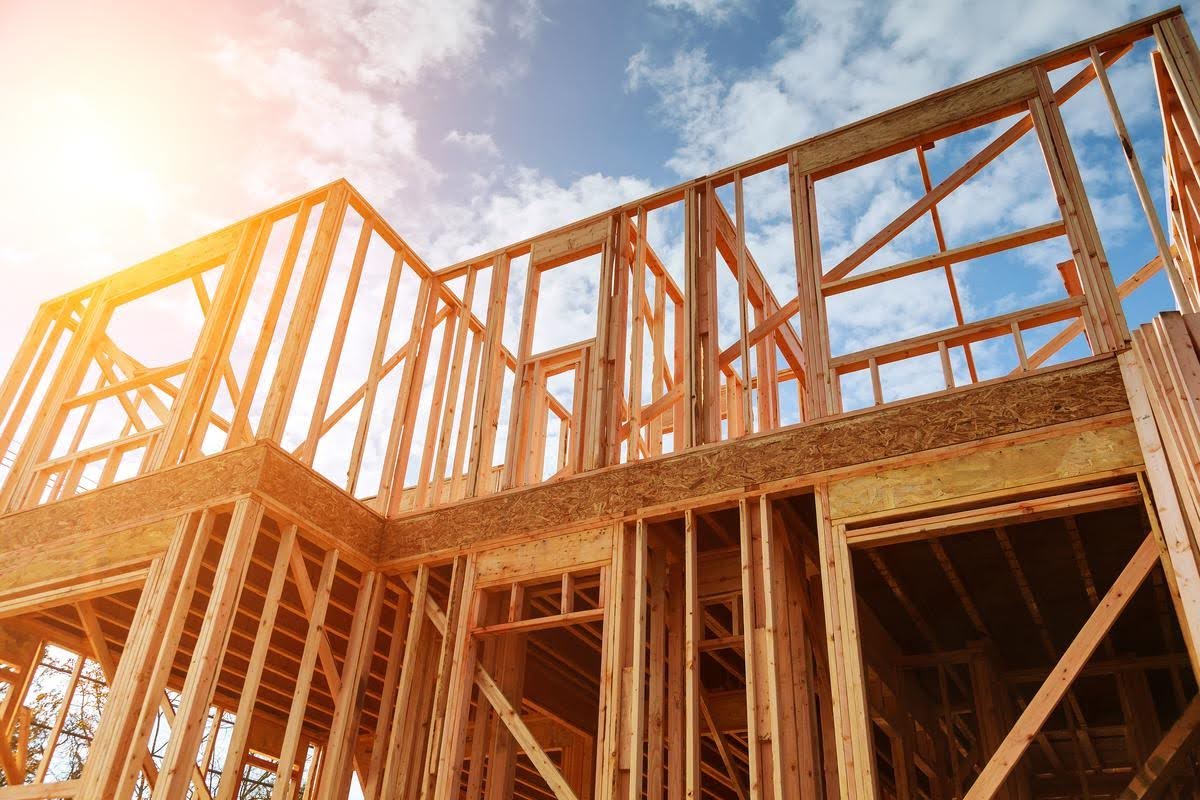
The U.S. Midwest ranks among the nation’s most challenging regions for residential construction. Local homes must withstand blizzards, high winds, soaking spring rains, and drastic temperature swings. These conditions not only put the structural integrity of residential properties to the test, they also put structural building materials to work before homeowners even move in.
For builders and contractors, choosing the right framing lumber and engineered wood products is about more than meeting code. It’s about building homes that remain strong, and stable for decades. By understanding how Midwest weather affects structural materials, you can make smarter product selections that reduce callbacks and keep projects on schedule.
Why Midwest Weather Demands Better Material Selection
Unlike regions with consistent climates, the Midwest experiences all four seasons in full force. Structural materials may be exposed to rain during framing, freezing temperatures in winter, and humid summers before the home is even enclosed.
These conditions can affect:
- Moisture content
- Structural stability
- Jobsite productivity
- Long-term durability
Choosing materials specifically designed to perform under these conditions helps builders minimize problems throughout construction and beyond.
Moisture Is the Biggest Challenge
Moisture is one of the most common threats to structural framing in the Midwest. Rain, snow, and humidity can all affect framing lumber if materials are left exposed on the jobsite for extended periods.
As wood absorbs moisture, it naturally expands. As it dries, it shrinks. Excessive movement can contribute to issues such as:
- Twisted or bowed studs
- Floor squeaks
- Uneven walls
- Nail pops
- Drywall cracks
- Door and window alignment issues
Proper storage and jobsite protection are essential. But choosing high-quality structural materials also plays an important role in minimizing moisture-related problems.
Many engineered wood products are manufactured with consistent moisture content and tighter tolerances than traditional lumber, helping reduce unexpected movement after installation.
Freeze-Thaw Cycles Put Structural Materials to the Test
The Midwest regularly experiences freeze-thaw cycles throughout late fall, winter, and early spring. Temperatures may fluctuate above and below freezing several times within the same week.
These repeated cycles create stress throughout a building’s structural system.
As materials expand and contract, builders must account for:
- Seasonal movement
- Fastener performance
- Connection strength
- Material stability
Engineered framing products such as laminated veneer lumber (LVL) and I-joists are designed to provide greater dimensional consistency than conventional lumber. Because they’re manufactured under controlled conditions, they typically experience less warping, twisting, and shrinking over time.
This added stability helps improve floor performance, maintain straighter walls, and reduce finishing issues later in the project.
Wind Loads Require Strong Structural Systems
Midwest weather presents more than just wintry cold. Severe thunderstorms and occasional tornadoes produce tremendous wind forces on structures. This puts a strain on the integrity of any home.
The strength of your home’s structure is determined by more than just its exterior. The framework is what holds it all together.
Builders should consider:
- Engineered beams for longer spans
- Properly sized headers
- High-quality framing lumber
- Structural connectors and fasteners
- Code-compliant wall bracing
- Roof framing designed for regional wind loads
Selecting quality structural building materials ensures every component works together to transfer loads safely throughout the structure.
Seasonal Movement Is Inevitable
No structure remains completely motionless. Every home experiences seasonal expansion and contraction as temperature and humidity levels change throughout the year. The goal isn’t to eliminate movement – it’s to minimize its impact.
Materials with greater dimensional stability help reduce:
- Floor deflection
- Wall movement
- Ceiling cracks
- Trim separation
- Finish nail pops
Engineered structural products have become increasingly popular because they provide more predictable performance under changing environmental conditions.
For production builders managing multiple projects, consistency can be just as valuable as strength.
Traditional Framing Lumber vs. Engineered Wood
Both framing lumber and engineered wood products have a place in Midwest construction. The choice between them often depends on the situation.
Framing lumber can still be a very good choice for some wall-framing tasks, while being a cost-effective option for many home-building projects.
Engineered wood products offer additional advantages when projects require:
- Longer unsupported spans
- Reduced material movement
- Greater load capacity
- Improved dimensional consistency
- More efficient use of material
Many builders use a combination of both products to optimize performance and control costs.
Don’t Overlook Jobsite Material Handling
Even the highest-quality structural building materials can underperform if they’re not handled properly.
Builders can protect framing materials by:
- Storing lumber off the ground
- Keeping bundles covered while allowing for ventilation
- Limiting prolonged exposure to standing water
- Installing materials promptly after delivery
- Inspecting products before installation
Good material management helps preserve product quality while reducing waste and costly replacements.
Partner With a Supplier That Understands Midwest Construction
Material selection is only part of the equation. Working with an experienced building materials supplier can help builders select products that are suited for local climates, structures, and more.
An experienced building materials supplier can provide:
- Product recommendations
- Engineered wood solutions
- Material estimating help
- Reliable inventory
- Coordinated deliveries
- Access to trusted manufacturers
Having the right materials delivered when they’re needed helps keep crews productive and projects moving forward.
Build for Long-Term Performance
Every project starts with the frame. Finishes might get all the attention, but it’s the framing system that determines how well a home will hold up and perform for decades to come.
By selecting building materials that are suited to our climate and engineered for stability, contractors can reduce unwanted movement in their homes, add to their structural integrity, and ensure their buildings can weather the storm.
Whether you’re buying lumber for your studs or purchasing engineered products like beams, headers, and floor systems, you should invest in quality framing materials to avoid headaches down the road. In tandem with expert installation and a trustworthy building materials supplier , the right structural products can give your customers’ homes a solid foundation.
Frequently Asked Questions
1. What structural building materials are recommended in the Midwest?
Using high-grade framing lumber and other quality wood products, such as LVLs and I Joists, will produce the most consistent results when it comes to structural integrity and resistance to the elements.
2. How does moisture affect framing lumber?
Moisture causes wood to swell and then shrink back as it dries. This leads to drywall cracks and squeaky floors when the wrong materials are used or if they haven’t been treated and stored correctly.
3. Are there any other building materials recommended for builders in the Midwest?
Engineered wood products are often used in the Midwest and upper areas of the United States because of the fluctuating temperatures and wide range of humidity throughout the year.
4. What are some best practices for storing building materials on the jobsite?
It’s vital that building materials are kept off the ground at all times and never submerged in standing water. Materials should always be stacked in a way that they can ventilate and ideally covered, and installed as soon as possible after delivery.
5. What value does a local building materials supplier bring to a construction project?
Local building material suppliers understand the challenges of building in the Midwest. They will know what materials to recommend, how they should be installed, and can work with you to make sure everything is delivered on time, and help keep your project on schedule.